

Where you give birth can significantly impact both your physical and emotional experience of childbirth.
ALL of the choices and decisions you make from conception onwards will impact your experience of labour and birth, as well as your physical and emotional wellbeing during the early weeks of mothering and beyond. Choosing where to labour and birth is one of the most important decisions a pregnant woman makes.
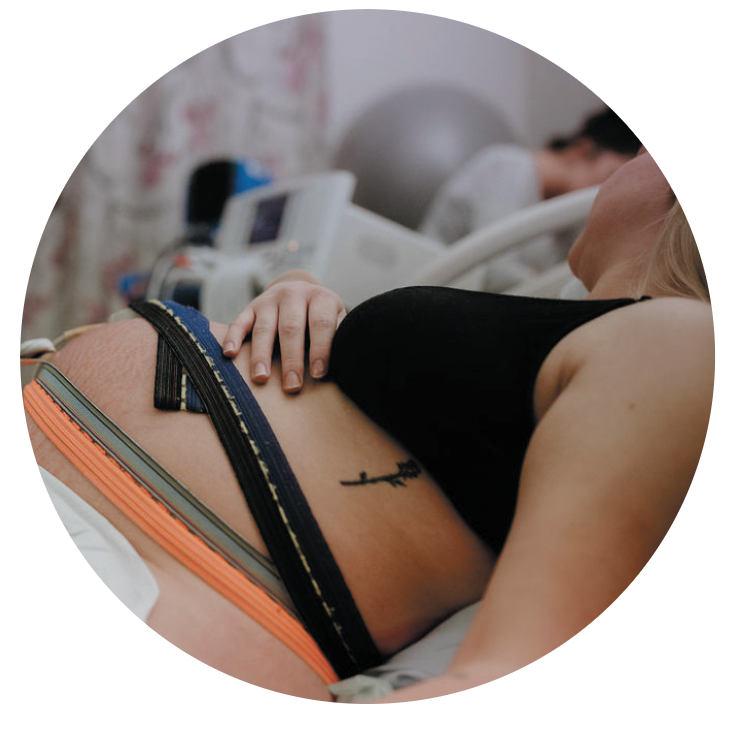
Choosing where to labour and birth
In AotearoaNZ, pregnant women can choose to give birth in these three birthing environments:
- At home supported by a midwife who will usually call in a second midwife when birth is imminent.
- In a Primary Birthing Unit/maternity unit (PBU)* supported by your chosen midwife with the back-up of the midwife/midwives on duty. PBUs provide midwifery-led care; doctors/obstetricians do not attend labour of birth in a PBU.
- In a hospital supported by your chosen midwife or obstetrician with the back-up of midwives and obstetricians on duty.
- *Some women face limited birth place options because there is no local primary birthing unit.
Your choice of place of birth can be made, or changed, at any time during your pregnancy.
Your choice of Lead Maternity Carer (LMC) can impact your options for place of birth
Not all maternity providers will attend births in all three birthing environments.
- Obstetricians only attend births in a hospital.
- Although midwives are trained to support birth in all locations, many self-employed midwives only provide care for women who birth in a hospital, and some only provide care for women who birth at home and/or in a local PBU.
- In most areas, if your LMC is a hospital employed Community Midwife, your only option for place of birth will be the local hospital. However, some health districts employ a team of midwives who will also provide labour and birth care in the local Primary Birthing Unit.
If you change your choice of place of birth during pregnancy you may also need to change to a different Lead Maternity Carer (LMC) midwife or obstetrician.
If you are undecided about where you will give birth early in your pregnancy, registering with a midwife who supports women to birth in all three birthplaces will ensure that all these options will remain available to you without the need to change your LMC later in your pregnancy.

Factors that may affect your decision
It can be difficult to know what your birth preferences are at the beginning of pregnancy (particularly if it’s your first). Defining your beliefs about pregnancy and birth and making maternity/lifestyle choices that support these beliefs, can help when making birth choices. Here are some thoughts to consider:
Safety
Many pregnant women/couples assume that hospital is the safest place for a baby to be born. Well-staffed and resourced obstetric hospitals do have the ability to handle the occasional true emergency that occurs during labour, but do not usually provide an environment or culture that supports labour and birth to progress as nature intended.
HealthNZ/Te Whatu Ora’s Annual Maternity Reports1 confirm that the environments and culture in our hospitals are not generally able to support women to labour and birth without medical intervention. Women labouring in our hospitals are routinely exposed to technology and medications despite there being no evidence that this system of labour management improves outcomes for well women and their babies. In fact, evidence confirms that supporting the physiological processes of labour and birth facilitates the best outcomes for the majority of well mothers and babies.2
Local and international research confirms that healthy women, including first time mothers, who plan to give birth at home or in a PBU more often have better outcomes than healthy women who give birth in a hospital.3 4 5 6 This especially applies in countries like AotearoaNZ where primary birthing options (i.e. homebirth, birth in a PBU) are well integrated into a maternity system that has protocols for safe and timely transfer to hospital should this become necessary.
Some women feel safer giving birth in a hospital where medical technology and specialists are available, others feel safer in environments where technology and specialists cannot be routinely involved. The evidence however, is unequivocal – hospital birth is NOT the safest option for ALL birthing women.
Fear and Anxiety
Research suggests that 20–25% of women hold a variety of fears about pregnancy and childbirth.8 9 10 11 Fear of pain, harm to mother or baby, birth injuries, losing control during labour and birth, or simply fear of the unknown,
will often lead women to choose to birth in a hospital.
On the other hand, some women’s fears about the presence of unknown medical professionals, of genital exposure, of lack of respect and privacy, leads them to choose to birth at home or in a Primary Birthing Unit.
Family, culture and society
Women’s choice of place of birth is often influenced by their family and cultural beliefs, their previous birth experience/s and/or the birth experiences of family, friends and workmates. Choice of place of birth is also influenced by society’s dominant cultural narrative about labour and birth that tells us that this life experience is risky, painful and unpredictable, and that testing, monitoring and medical interventions are necessary to identify and manage any complications that arise.
Women are aware, and often reminded, that their maternity choices impact not only themselves but also their babies. It is often assumed that giving birth in a hospital reduces risks for the baby and society expects mothers to prioritise their babies’ safety over their own needs and desires. Women often choose to give birth in a hospital to avoid the potential guilt and blame that they might experience if complications for the baby were to arise during a planned birth at home or in a Primary Birthing Unit.12 13 14
The risk-based maternity model
Our system of maternity care is based on the belief that good outcomes require medical monitoring, testing and screening to confirm the health and wellbeing of the mother and her baby and to detect or predict deviations from what is considered to be a normal pregnancy and labour.
Most women consent to pregnancy testing, screening and monitoring hoping that it will reassure them that mother and baby are healthy and pregnancy is progressing normally. However, many medical tests don’t provide straightforward “normal” or “abnormal” results, but rather an assessment of “risk”.15 If a test result shows any degree of “risk” or even increased potential for risk, you will usually be advised or required to give birth in a hospital.16
If you want to keep your options for place of birth open, you will need to make active and informed choices about every medical test that is offered or recommended during your pregnancy, as well as making diet and lifestyle choices that will support your health and wellbeing and the healthy development of your baby.
Making informed choices
You have the right to be fully informed about all options for your place of birth, and to choose the place that best supports your personal labour and birth preferences. You also have the right to change your choices, or maternity care provider, at any time.
The final choice is always yours.
A positive labour and birthing environment
The chances of a physiological birth are enhanced by an environment:
- that is warm, quiet, private and dimly lit,
- in which the layout and facilities encourage and support you to walk, kneel, squat, stretch, lean, stand, or be still as your labour dictates,
- that has furnishings and equipment that feel familiar and comfortable, and can support/encourage you to adopt the positions that assist the progress of your labour,
- that is not dominated by a bed and medical equipment that encourages you to feel passive or unconfident about your ability to cope with labour and birth,
- that is equipped with access to all the things that women have found help them to labour and give birth without medical assistance e.g. a shower, a pool, swiss and peanut balls, birthing stools, slings and ropes for support,
- that allows you to make environmental adjustments to suit your preferences (lighting, temperature, music, aromatherapy, etc.),
- that is spacious enough to comfortably accommodate the presence of any family and friends the labouring mother has chosen to support her.
Labour will only progress if a woman is able to switch off her neocortex, the thinking part of her brain. A private, quiet, softly lit room helps protect the labouring māmā from neocortical stimulation and enables oxytocin and the other hormones of labour to flow as nature intended.26 27
The design and furnishings in labour rooms in most hospitals do not create the optimum environment for normal physiological labour and birth.28 29 You may make want to consider birthing in either a PBU where the labour and birthing rooms are often designed and equipped to designed to facilitate the normal progress of labour or, in the comfort and familiarity of your own home.
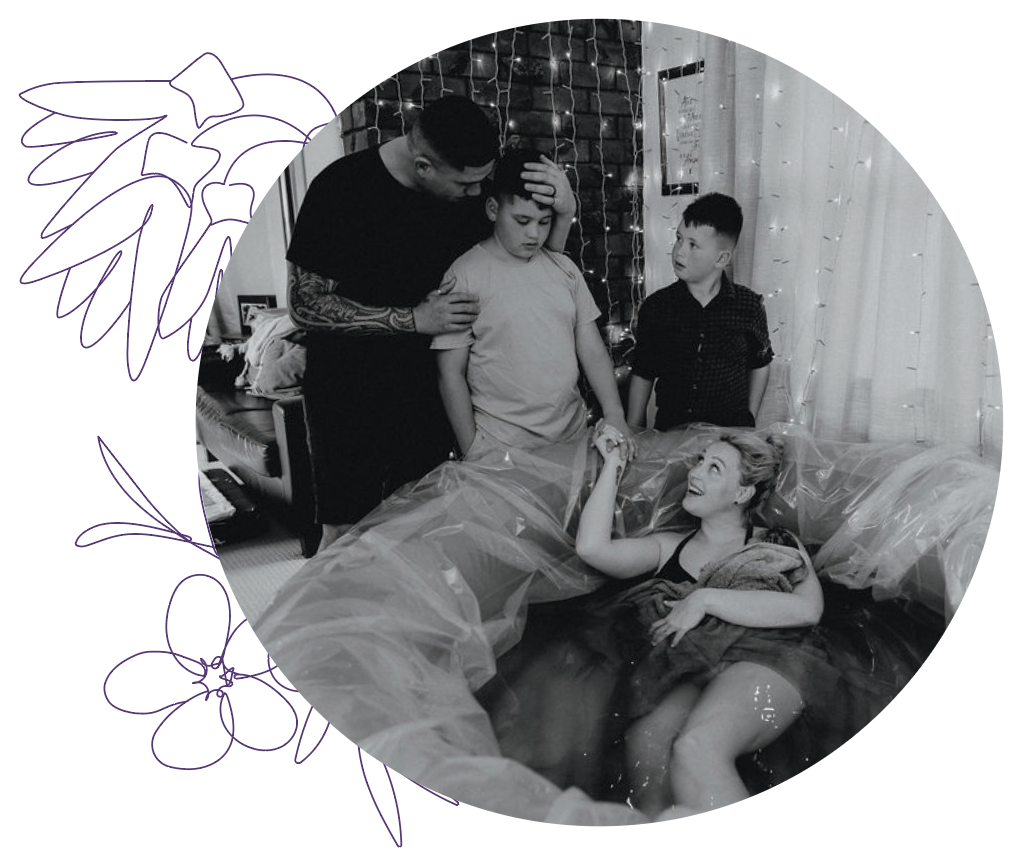
The hormones of labour and birth
The flow of hormones required to ensure that labour and birth progress naturally can be impacted by factors within the birth environment. For labour to progress, labouring māmā need privacy, warmth and to feel safe and unobserved.17 18 If your chosen birthing environment, maternity care providers, partner and support people do not facilitate these fundamental needs, then your chances of getting through labour and birth without medical assistance will be reduced.
Choosing to give birth in a space that will enhance (rather than hinder) the hormonal drivers of labour and birth will allow you to respond instinctively and without inhibition to the work your body is doing during labour.
Understanding the hormonal and physical process of labour can help you to confidently choose the place of birth that is right for you. Hormones are chemical substances produced in one part of the body that influence functioning in other parts of the body. Neurohormones instigate and influence emotions and behaviour as well as physiological processes. Pregnancy, labour and birth and mothering are governed by neurohormones produced by both the mother and baby.19
The hormonal and physiological changes that lead to the transition into active labour, start weeks before the onset of regular contractions. When this transition occurs spontaneously, without medical assistance at term (38–42 weeks gestation), the mother’s body and her baby are physically and hormonally ready for labour and birth and for a postpartum experience that includes the
initiation and establishment of breastfeeding and healthy mother:baby attachment.20
The dominant hormones women produce as they transition into and progress through labour and birth, are oxytocin, prostaglandin, beta-endorphins, corticotrophin-releasing hormone(CRH), adrenaline, noradrenaline, and prolactin.
From the first signs of labour through to at least the end of the first week postpartum, mother and baby are exposed to a very specifically organized neuroendocrine cascade that influences not only the progress of labour but also, the psychological and emotional experience of mothers and their babies. Oxytocin, beta endorphins and prolactin facilitate a reduction in the mother’s perception of pain and stress during labour and birth and instigate positive interactions and bonding between mother and baby.21
Oxytocin
Oxytocin is a neurohormone that plays a primary role in the transition into, and effective progress during labour and birth in all mammalian species. Oxytocin not only supports the physiological processes of labour and birth but also the maternal and newborn behaviours that impact the wellbeing and bonding of mother and baby following birth.
Hormonal pain relief
Women often choose to give birth in hospital because they fear the “pain” of labour and want to be able to access medications for pain relief. Many women are unaware that their bodies are able to produce massive amounts of pain relieving hormones during a physiological labour and birth. The oxytocin that is released in the labouring mother’s brain not only stimulates uterine contractions, but also suppresses her brain’s production of stress hormones, increases her pain threshold, and helps her maintain a normal heart rate, blood pressure and temperature during labour.22 23 Oxytocin has a strong pain relieving effect and also stimulates the release of pain relieving beta-endorphins. These hormones work together, assisting women to cope with the increasing intensity of their contractions while promoting a sense of calm and wellbeing that supports relaxation and trust in the process.
A number of factors influence the release of these pain relieving hormones including; the labouring mother’s personality, her expectations, her cultural and social background, her previous experience/s of any sort of pain including any prior labour experience/s, the quality of her birth preparation (and that of her partner/support people) and how tired, fearful or anxious she is.24 Women’s experience of pain in labour is also enhanced or diminished by the environment in which she is labouring and the willingness and ability of her care providers to communicate effectively and provide individualised and respectful care.25
The hormonal cascade
The complex interplay of hormones that prepare the body for labour, initiate contractions, and facilitate the birth of the baby is referred to as the ‘hormonal cascade’. In order for the hormonal cascade to flow and labour to progress, women need to be in a safe and private environment with supportive caregivers.
Maintaining the hormonal cascade
Most women leave the warmth, comfort, familiarity and privacy of their own homes and transfer to the unfamiliar and clinical hospital environment. During this transfer, many women produce stress hormones that suppress oxytocin production and inhibit the progress of labour.30 The hormonal cascade can be supported to re-establish if women are able to feel safe and relaxed in their labouring room and they:
- are met by a familiar LMC or feel comfortable with the midwife assigned to them,
- feel welcomed and safe,
- find the physical environment acceptable/comfortable,
- are satisfied with the usually limited range of labour supporting equipment available,
- feel reassured that the hospital and staff are equipped to cope with anything that might occur, and that they will have access to medical pain relief if required or requested.
Disturbing the hormonal cascade
Many factors can disturb the neurohormonal cascade that governs labour including:
- the presence of unfamiliar maternity providers,
- being observed and monitored,
- lack of privacy (e.g. no control over staff entering the room),
- feeling required to consent to routine procedures,
- monitoring equipment that restricts your mobility and access to comfort options (showers, birthpools, etc),
- genital exposure and vaginal examinations,
- disruptive conversations, especially being discussed by maternity care providers,
- unsupportive environment (e.g. room temperature, lighting, a visually clinical setting, hospital noise such as buzzers and being able to hear other women in labour),
- lack of comfortable furnishings and props to support your body during contractions.
Exposure to any of these conditions can slow the progress of labour, increase a woman’s perception of pain, and undermine her confidence in her ability to labour without medical assistance.31 32 33
Click here for free resources to support your decision-making throughout pregnancy, labour, birth, and early parenthood. Two particularly helpful resources that can assist you to make choices during your pregnancy that will support your choice of place of birth are: ‘Informed Choice during pregnancy, labour and after your baby is born’ and ‘Screening and testing
during pregnancy’.

References
- Report on Maternity Web Tool Te Whatu Ora/Health New Zealand, June 2024 https://tewhatuora.shinyapps.io/report-on-maternity-web-tool/
- Birthplace in England Collaborative Group: Perinatal and maternal outcomes by planned place of birth for healthy with low risk pregnancies: the Birthplace in England national prospective cohort study. BMJ. 2011, 343 (d7400): 1-13.
- Hutton EK, Reitsma A, Simioni J et al. Perinatal or neonatal mortality among women who intend at the onset of labour to give birth at home compared to women of low obstetrical risk who intend to give birth in hospital: a systematic review and meta- analyses. EClinicalMedicine. 2019; 14: 59-70
- Reitsma A, Simioni J, Brunton G et al. Maternal outcomes and birth interventions among women who begin labour intending to give birth at home compared to women of low obstetrical risk who intend to give birth in hospital: A systematic review and meta-analyses EClinicalMedicine. 2020; https://doi.org/10.1016/j. eclinm.2020.100319
- Scarf VL, Rossiter C, Vedam S et al. Maternal and perinatal outcomes by planned place of birth among women with low-risk pregnancies in high-income countries: A systematic review and meta-analysis. Midwifery. 2018;62:240-255. doi: 10.1016/j. midw.2018.03.024.
- Olsen O, Clausen JA. Planned hospital birth compared with planned home birth for pregnant women at low risk of complications. Cochrane Database Syst Rev. 2023;8:3(3). CD000352 doi: 10.1002/14651858.CD000352.pub3.
- Olsen O, Clausen JA (2023) Op.cit.
- Rondung E, Magnusson S, Ternström E. Preconception fear of childbirth: experiences and needs of women fearing childbirth before first pregnancy. Reprod Health. 2022;19(1):202. doi: 10.1186/s12978-022-01512-9.
- Nilsson C. et al. Definitions, measurements and prevalence of fear of childbirth: a systematic review. BMC Pregnancy Childbirth 2018;18:28 doi.org/10.1186/ s12884-018-1659-7
- Hendrix YMGA. Et al. Fear of Childbirth in Nulliparous Women. Front. Psychol. 2022;13:923819. doi: 10.3389/fpsyg.2022.923819
- Sanjari S. et al. Update on the global prevalence of severe fear of childbirth in low- risk women. A systematic review and meta-analysis. IJWHR 2022;10(1):3-10
- Woog L. Where do you want to have your baby?’ Women’s narratives of how they chose their birthplace. Br. J. Midwifery, 2017;25:2, pp. 94-102
- Lupton DA. The best thing for the baby: Mothers’ concepts and experiences related to promoting their infants’ health and development. Health, Risk Soc. 2011;13(7-8): 637-651
- Coxon K, Sandall J, Fulop NJ. To what extent are women free to choose where to give birth? How discourses of risk, blame and responsibility influence birth place decisions. Health, Risk Society 2013;16(1):51–67. doi.org/10.1080 /13698575.2013.859231
- Scamell M, Alaszewski A. Fateful moments and the categorisation of risk: Midwifery practice and the ever-narrowing window of normality during childbirth. Health, Risk Society 2012:14(2);207-221.
- Topçu S, Brown P. The impact of technology on pregnancy and childbirth: creating and managing obstetrical risk in different cultural and socio-economic contexts. Health, Risk Society2019; 21(3–4):89–99 doi.org/10.1080/ 13698575.2019.1649922
- Dixon L, Skinner J, Foureur M. The emotional and hormonal pathways of labour and birth: integrating mind, body and behaviour. NZCOM Journal, 2013;48:15-23. doi.org/10.12784/nzcomjnl48.2013.3.15-23
- Dahan O and Goldberg A. Being in the zone during physiological birth: a comparative study of hospital and home birth environments. Front. Glob. Women’s Health 2025;6:1573688. doi: 10.3389/fgwh.2025.1573688
- Olza-Fernandez I. et al. Neuroendocrinology of childbirth and mother-child attachment: the basis of an etiopathogenic model of perinatal neurobiological disorders. Front Neuroendocrinol. 2014;35(4):459–472
- Buckley SJ. Executive summary of hormonal physiology of childbearing: Evidence and Implications for women, babies, and maternity care. J Perinat Educ. 2015;24(3):145-53. doi: 10.1891/1058-1243.24.3.145
- Uvnas-Moberg K. The physiology and pharmacology of oxytocin in labor and in the peripartum period. AJOG 2024;230:3 S740-S758
- Buckley S. et al. Maternal and newborn plasma oxytocin levels in response to maternal synthetic oxytocin administration during labour, birth and postpartum – a systematic review with implications for the function of the oxytocinergic system. BMC Pregnancy Childbirth. 2023;2:23(1):137. doi: 10.1186/s12884-022-05221-w
- Uvnas-Moberg (2024) Op.cit.
- Walter MH, Abele H, Plappert CF. The role of oxytocin and the effect of stress during childbirth: Neurobiological basics and implications for mother and child. Front Endocrinol. 2021;12:742236. doi: 10.3389/fendo.2021.742236.
- Lennon R. Pain management in labour and childbirth: Going back to basics. BJM 2018;26:10
- Odent M. Childbirth in the Age of Plastics. Pinter & Martin. 2011.
- Dixon L. (2013) Op. Cit.
- The Birthplace in England Collaborative Group (2011) Op cit.
- Aanensen EH, Skjoldal K, Sommerseth E, Dahl B. Easy to believe in, but difficult to carry out—Norwegian midwives’ experiences of promoting normal birth in an obstetric-led maternity unit. Int J Childbirth. 2018;8(3):167-176. doi:10.1891/2156- 5287.8.3.167
- Dixon L. (2013) Op. Cit.
- Downe S, Finlayson K, Oladapo OT, Bonet M, Gülmezoglu AM. What matters to women during childbirth: A systematic qualitative review. PLoS ONE 2018;13(4):e0194906.
- Smith V, Daly D, Lundgren I. et al. Protocol for the development of a salutogenic intrapartum core outcome set (SIPCOS). BMC Med Res Methodol. 2017;17(1):61.
- Olza I, Uvnas-Moberg K, Ekström-Bergström A, et al. Birth as a neuro-psycho- social event: An integrative model of maternal experiences and their relation to neurohormonal events during childbirth. PLoS ONE 2020;15(7): doi. org/10.1371/journal.pone.0230992
Updated July 2025
To order your FREE pack of MSCC resources, click here.